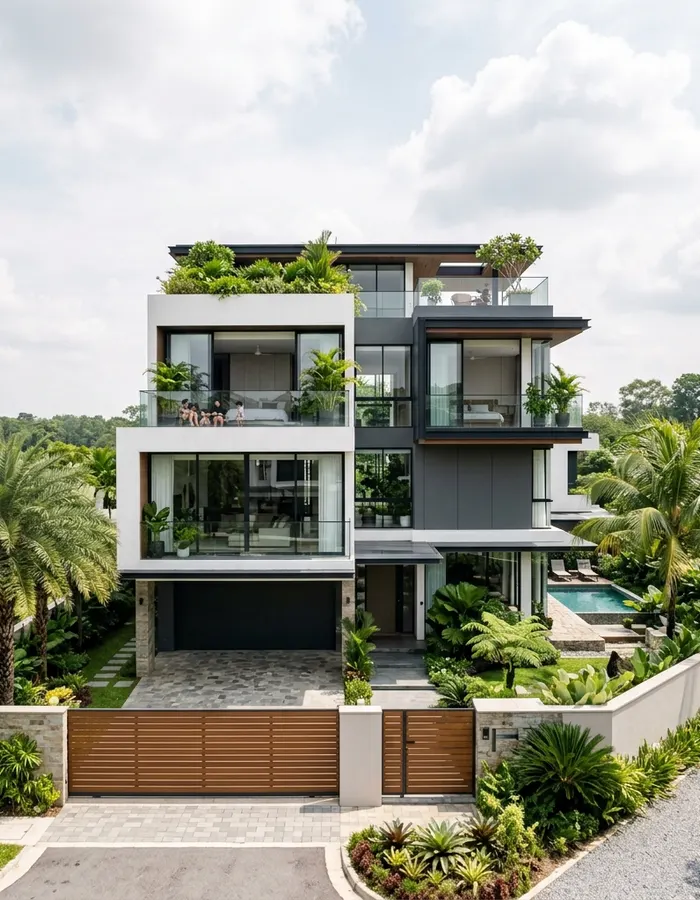
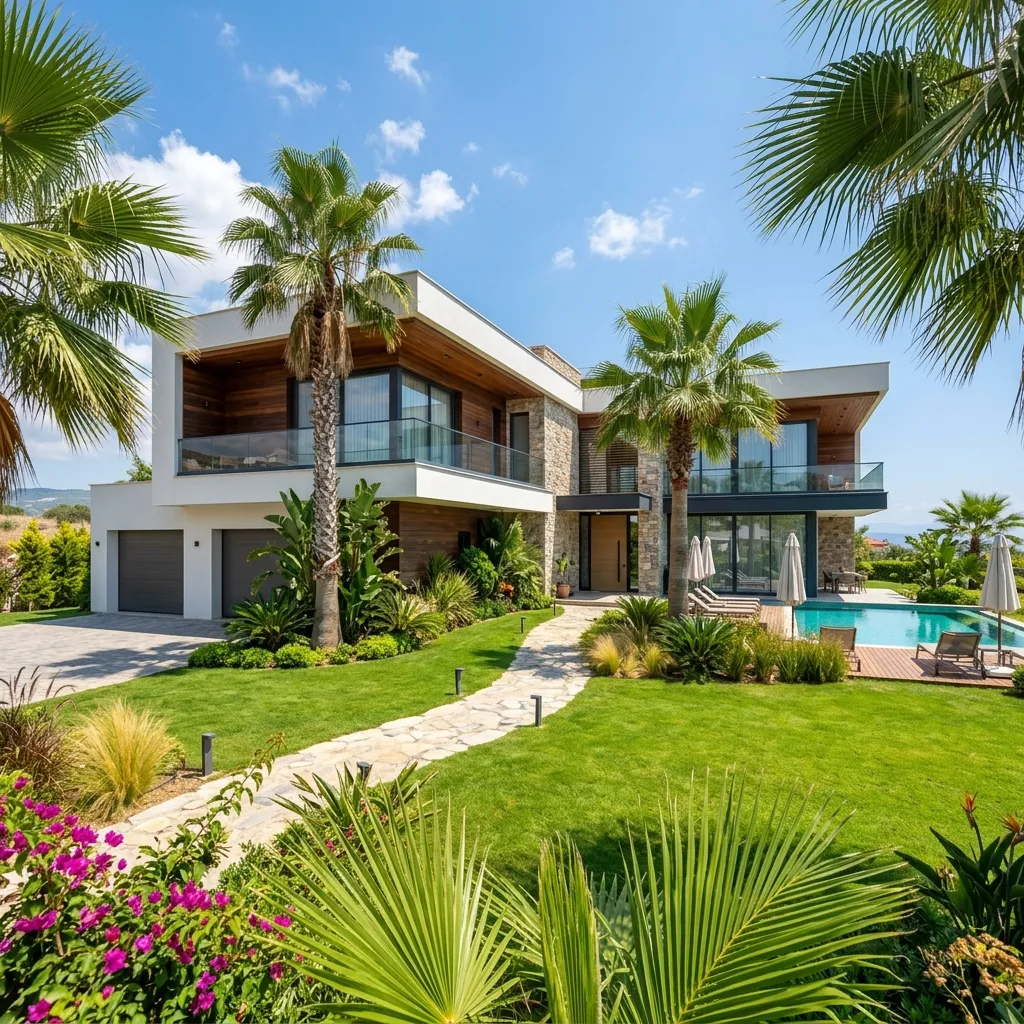
Villa communities promise more space and privacy than apartments — but the shared amenities, roads and security that make the community work still need to be managed collectively, and that's usually where the friction starts.
Why Villa Communities Are Different From Apartments
A villa community's shared footprint — internal roads, landscaping, a clubhouse, a larger perimeter to secure — is often larger relative to the number of homes than in an apartment block, which means per-household maintenance costs and coordination needs are higher, not lower.
Setting Clear Rules for Shared Spaces
Disputes over clubhouse bookings, garden upkeep or guest parking almost always trace back to rules that were never clearly documented. A written usage policy, agreed by residents in advance, prevents most day-to-day conflicts before they start.
Security Across a Larger Footprint
Securing a villa community means covering a perimeter, not just a single entrance — multiple access points, internal roads, and individual plot boundaries all need a coordinated approach rather than a single gate guard.
The Case for a Dedicated Facility Team
Because the scope is larger and more varied — landscaping, road maintenance, common electrical systems, security across a wider area — villa communities generally benefit from a dedicated facility management team rather than an informal, resident-run arrangement.
The villa communities we manage that run smoothest are the ones where residents made this decision early, rather than after a dispute forced the issue.