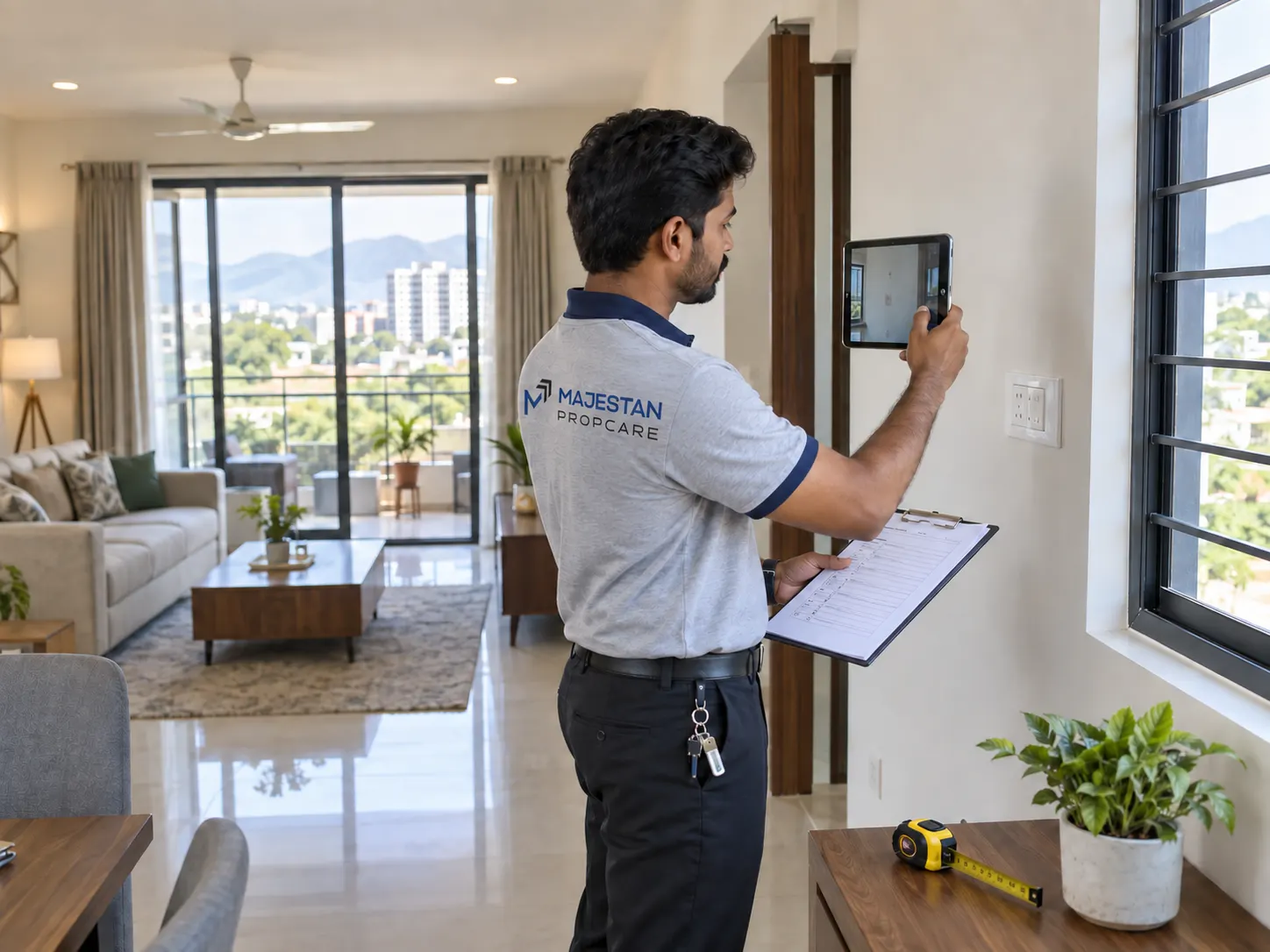

For NRIs, owning property back home is often as much an emotional decision as a financial one — which makes it harder to watch it sit vacant, poorly maintained, or managed inconsistently by relatives who have their own lives to run.
The Biggest Challenges NRI Owners Face
Time zones make quick decisions difficult, distance makes verifying anything in person impossible, and relying on family or friends for oversight often works fine — until it doesn't, and nobody wants to be the one raising the issue.
Setting Up Remote Oversight the Right Way
A working remote setup usually involves a Power of Attorney for someone who can act on your behalf, a property manager who inspects and reports on a schedule (not only when something breaks), and a single channel for updates rather than scattered phone calls.
Rent, Repatriation and Reporting
Rent collected on your behalf should be tracked with the same transparency as if you were collecting it yourself, with clear monthly statements and a straightforward process for repatriating funds through proper banking channels.
What to Look for in a Property Manager
For NRI owners specifically, look for a team that documents everything (photos, reports, receipts), communicates on your schedule rather than theirs, and has actually handled NRI clients before — the paperwork and legal considerations are different from managing for a locally resident owner.
Distance doesn't have to mean losing control of your property. It just means the oversight needs to be built into a process, rather than depending on someone remembering to check in.